Most betting losses don’t come from bad luck. They come from a handful of avoidable, repeatable mistakes beginners make in almost every first few months of betting. This guide runs through the most common betting mistakes as a quick checklist, short on theory, specific on what to actually change, and organized so you can skim for the ones that sound most familiar.

If you’re brand new to this, here’s what sports betting is worth reading first so the terms below make sense, since a few of these mistakes only click once you understand how odds and markets actually work. This page assumes you already know the basics and just want the mistake list, organized so you can jump straight to whichever ones sound most familiar to you.
Mistake Categories at a Glance
Before diving into the full list, it helps to see how these common betting mistakes group together at a glance. Most fall into one of four buckets: money handling, research habits, platform safety, or emotional control, and knowing which bucket a mistake belongs to often makes the fix more obvious. Scanning the table below first can save time if you already have a hunch about where your own habits usually slip.
| Category | What It Covers | Fastest Fix |
|---|---|---|
| Money management | Bankroll, stake size, session limits | Set rules before you bet, not during |
| Research and timing | Injuries, weather, kickoff timing | Build a five-minute pre-bet checklist |
| Platform and safety | Licensing, bonus terms, payment fees | Verify before you deposit, not after |
| Psychology and discipline | Chasing losses, overreacting to one result | Judge results over hundreds of bets, not one |
Not Comparing Odds Before You Bet
Sticking to a single sportsbook means accepting whatever price it happens to offer, even when a better one is one tab away. It feels harmless on any single bet, since the gap between two prices is often just a few cents on the dollar. Add that gap up across a full season of wagers, though, and the difference between the best available price and whatever your usual platform offered can add up to a meaningful chunk of your total winnings.
Why Odds Differ Between Sportsbooks
Different operators price the same event slightly differently based on their own liability and betting volume, so the same bet can pay out more on one platform than another. Checking two or three books before confirming a bet, rather than settling for the first price you see, is one of the easiest common betting mistakes to fix immediately.

Chasing Losses After a Bad Bet
Increasing your next stake to win back what you just lost feels logical in the moment and rarely works out that way. The math behind it doesn’t actually change just because emotions are running high; a bigger bet still carries the same odds as any other, only with more money riding on the outcome. What starts as one manageable loss can turn into a seriously damaging session once chasing becomes the plan rather than the exception.
Why Chasing Rarely Works
A bigger bet doesn’t improve your odds of winning; it just raises what you stand to lose if the pattern continues. This is one of the most common betting mistakes tied to emotion rather than strategy, and our page on why bettors lose money goes deeper into the psychology behind it.
A losing bet is a cost of doing business, not a debt that needs settling immediately. Treating it as urgent is exactly what leads to worse decisions.
Betting Without a Bankroll Plan
Wagering random amounts based on how confident you feel, rather than a fixed unit size, is one of the common betting mistakes that quietly drains an account over weeks rather than one bad night. A separate page about bankroll management lays out the actual sizing math worth following instead. Even a simple rule, like capping every bet at a fixed percentage of your total funds, removes most of the guesswork that leads to this mistake in the first place.
Overloading Parlays With Too Many Legs
Combining five or six selections into one ticket for a bigger payout sounds appealing, but each added leg compounds the chance the whole bet fails. This is one of the common betting mistakes that looks like strategy but is really just added variance; our page on reducing risk in sports betting explains why bet-type choice matters as much as the picks themselves.
Ignoring Bonus Wagering Requirements
Claiming a bonus without reading the terms is one of the common betting mistakes that turns “free” money into a trap. Some promotions require the deposit amount to be wagered five or ten times before a withdrawal is even possible, and operators featured on our top online betting sites list are generally more transparent about these terms upfront than smaller, less regulated ones. Reading the terms before opting in, rather than after, is the only reliable way to know whether a promotion is actually worth claiming.
Betting on Too Many Different Sports
Trying to be equally sharp across five sports at once usually means being sharp at none of them.
Why Specializing Beats Spreading Thin
Narrowing your focus to one or two sports lets you notice patterns, injuries, and market inefficiencies that someone spreading their attention thin will simply miss. Building this kind of focused approach is exactly what a separate page on smart betting is built around.
Skipping the Platform’s License Check
Signing up without confirming a sportsbook’s license is one of the common betting mistakes that has nothing to do with picking winners and everything to do with basic safety. A separate page about trusted betting platforms gets into what a real license actually looks like and how to verify one before depositing any money.
Recognizing a Platform That Fails This Check
Beyond a missing license number, warning signs include withdrawal delays that appear only after you’ve deposited, bonus terms that seem designed to trap rather than reward, and support that disappears once you ask a direct question. These specific patterns are exactly what a dedicated page on scam betting sites focuses on in far more depth.
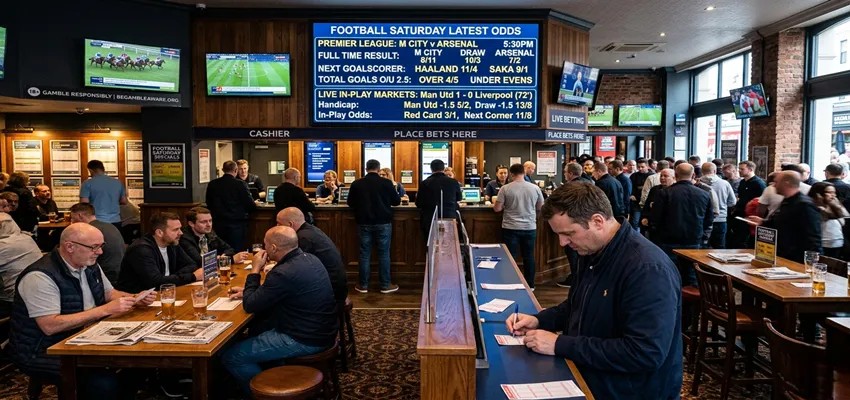
Not Keeping a Betting Record
Without a simple log of stakes, odds, and results, it’s nearly impossible to tell whether a strategy is actually working or just feels like it is. Most bettors only start tracking after several months of guessing, which is one of the more avoidable common betting mistakes on this list. Recording this kind of detail is one of the simpler habits worth building early.
Betting While Tired, Angry, or Drunk
Placing bets in any of these states is one of the common betting mistakes that has nothing to do with knowledge and everything to do with judgment being temporarily unreliable. Waiting until you’re clear-headed costs nothing and prevents a specific kind of regret. Recognizing the warning signs in the moment, rather than after the damage is already done, is really the entire skill involved here.
Ignoring Injury Reports and Lineup News
A team’s true form can shift entirely because of a single injury or a rotated lineup, and betting without checking this first is one of the more research-based common betting mistakes.
Where to Find Reliable Team News
Official team announcements and established sports news outlets are more reliable than social media speculation, which spreads fast but is frequently wrong or outdated by kickoff. Building a five-minute pre-bet check into your routine catches most of this.
Placing Bets Right Before Kickoff
Rushing a bet in the final minutes before an event starts leaves no room to catch a mistake or reconsider new information.
Why Rushing Costs You Value
Odds often move meaningfully in the last hour before kickoff as late money and team news come in, and betting too early or too late relative to that shift is one of the timing-based common betting mistakes worth avoiding. Giving yourself a buffer, rather than confirming a bet seconds before the whistle, protects against fat-finger errors as much as bad timing.
Misreading What “Value” Actually Means
Assuming a “safe” favorite is automatically a good bet, rather than checking whether the price actually reflects the real probability, is one of the common betting mistakes that quietly caps long-term returns. A page on value bets explains what value actually means mathematically. Without that distinction, it’s easy to confuse a comfortable-feeling bet with an actually profitable one, which are not always the same thing.
Not Understanding Why Odds Move
Watching a price shift and reacting emotionally, rather than understanding that it reflects new information or money flow, is one of the more conceptual common betting mistakes on this list. A page on how online betting works explains the mechanics behind these shifts in more depth.
If a price moves against you before you’ve even placed the bet, that’s usually the market reacting to something, not the sportsbook trying to catch you out personally.
Betting Against Your Own Pre-Match Research
Talking yourself out of a well-reasoned pick because the scoreline looks uncomfortable in the opening minutes is one of the common betting mistakes that undoes hours of preparation in seconds. If your research gave an underdog a genuine chance before kickoff, conceding an early goal doesn’t automatically undo that read. Abandoning a position purely because it feels uncomfortable, rather than because anything has actually changed, usually says more about nerves than about the match itself.

Ignoring Live Stream Delay When Betting Live
Most streaming services run several seconds behind the actual action, sometimes as much as thirty seconds depending on the provider. Betting the instant you see something happen, assuming you’re reacting to live information, can mean you’re actually betting after the price has already adjusted, one of the more technical common betting mistakes that catches out otherwise careful bettors. A separate page on live betting explains this delay and how to work around it in more depth.
Not Understanding Void Bet and Push Rules
Assuming every settled bet simply wins or loses overlooks a whole category of outcomes, postponed matches, dead heats, and voided legs, that get handled differently depending on the operator. Not knowing these rules in advance is one of the common betting mistakes that turns a confusing payout into a support ticket, and the settlement mechanics behind these edge cases are worth understanding before it happens to you, not while you’re staring at a payout that looks wrong.
Trusting Unverified Betting Tipsters
Following a social media account promising guaranteed picks, without any verifiable track record, is one of the common betting mistakes that costs money twice: once on a subscription fee, and again on the picks themselves. Most of these services rely on sending different picks to large groups of people, so a handful will always look impressively accurate by chance alone. Sticking to your own research, or to sources with a transparent, checkable history, avoids this trap entirely.
Betting on Every Match During a Major Tournament
Major events create a temptation to bet on every single fixture just to stay engaged with the tournament. Spreading attention this thin is one of the common betting mistakes that dilutes research quality exactly when markets are busiest and hardest to read carefully. Picking a smaller number of matches you can actually research properly usually outperforms betting on the entire schedule out of excitement alone.
Ignoring Currency and Payment Fees
Funding an account in a currency different from the one you actually bet in quietly introduces conversion fees that eat into winnings over time. This is one of the more overlooked common betting mistakes, since the cost shows up gradually rather than in one obvious hit. Checking which currency and payment method your platform supports natively, before making a habit of depositing in the wrong one, avoids this entirely.
Overreacting to a Single Bad Result
One bad beat, a last-minute goal that flips a winning bet into a loss, can feel like proof that a strategy has stopped working. Treating a single unlucky outcome as a signal to abandon a well-researched approach is one of the common betting mistakes rooted more in emotion than in evidence. A meaningful read on whether a strategy actually works usually needs hundreds of bets, not one unlucky result, however painful it felt in the moment, and confusing the two is one of the common betting mistakes that’s hardest to catch in yourself.

Ignoring How Public Money Moves the Market
Heavily backed favorites, especially in high-profile matches, often carry odds that reflect public sentiment as much as genuine probability. Betting a big favorite purely because it feels safe, without checking whether the price still represents fair value after all that public money has come in, is one of the common betting mistakes that quietly caps returns over a season. Occasionally, the more interesting value sits on the side the public isn’t backing.
Betting on Sports You Don’t Actually Watch
Placing wagers purely from a stats sheet, without actually watching how a team plays, means missing the qualitative signals that separate a good bet from a lucky guess. A team that looks fine on paper can be visibly struggling on the pitch, and that gap is often where genuine value sits. Betting on sports you never watch is one of the common betting mistakes that turns research into guesswork dressed up as analysis.
Not Setting a Session Limit Before You Start
Deciding how much you’re willing to lose in a single session, before you place a single bet, is a simple habit that a lot of bettors skip entirely. Without one, a rough patch can spiral well past what felt acceptable an hour earlier. This is one of the common betting mistakes that costs nothing to fix and does more for long-term discipline than almost any single strategy tip.
Almost none of the common betting mistakes on this list require new skills. Most are just a change in process, and process is the easiest thing to actually control.
Assuming Bigger Odds Always Mean Better Value
A longshot at long odds isn’t automatically a smarter bet than a short-priced favorite; the only thing that actually matters is whether the price reflects the real probability of the outcome. Chasing big numbers purely for the size of the potential payout is one of the common betting mistakes that confuses excitement with genuine analysis. A short-priced favorite can carry just as much value as a longshot, or more, depending on how the market has priced it.
Ignoring Weather and Venue Conditions
Wind, rain, extreme heat, or a notoriously difficult away venue can shift a match’s realistic outcome in ways a pure stats comparison misses entirely. Skipping this check is one of the common betting mistakes that affects outdoor sports specifically, where conditions can matter as much as form on paper. A five-minute weather and venue check before kickoff catches most of this, and it’s a habit that costs nothing beyond a quick search before you confirm a bet.
Reusing the Same Stake Size Regardless of Confidence
Betting the same amount on a coin-flip match and on a selection you’re actually confident about ignores the fact that not every bet deserves equal weight. Treating every wager identically, rather than adjusting stake slightly based on conviction, is one of the common betting mistakes that flattens out an otherwise sound betting process. This isn’t about betting bigger recklessly; it’s about letting your stake reflect how strongly your research actually supports a pick.
Withdrawing and Redepositing Instead of Cashing Out Properly
Some bettors withdraw winnings only to immediately redeposit them to keep playing, effectively skipping the point of taking profit in the first place. This habit is one of the common betting mistakes that subtly undermines discipline, since it feels like caution while actually just delaying the same risk. Letting a withdrawal actually leave the betting account, at least for a while, protects the point of cashing out at all, and it’s one of the common betting mistakes that’s purely about habit rather than knowledge.
Not Adjusting Strategy Between Sports
Applying the same approach to every sport, treating basketball totals the same way you’d treat a football spread, ignores that different sports reward different signals. This is one of the common betting mistakes that shows up specifically once someone starts betting beyond their original one or two sports. Recognizing that tempo matters more in basketball while set pieces matter more in football, for example, is part of adapting properly rather than copying a single formula everywhere. Even small adjustments to what you actually pay attention to, sport by sport, tend to matter more than any universal system ever could.
Overvaluing Recent Form Over Sample Size
A team on a three-game winning streak can look unbeatable, but three games is a tiny sample compared to a full season of underlying performance data. Weighing recent form too heavily, while ignoring the larger body of evidence behind it, is one of the common betting mistakes that leads to backing narratives instead of numbers. Recent form matters, but it’s one input among several, not the whole picture on its own, and treating it otherwise is one of the common betting mistakes that’s easy to justify in the moment.
Ignoring How Time Zones Affect Kickoff Times
Betting on an event without checking the actual local kickoff time, especially across international competitions, has led plenty of bettors to miss a deadline or place a bet on the wrong day’s line entirely. This is one of the more avoidable common betting mistakes, since it’s purely a scheduling error rather than anything to do with analysis. Double-checking the listed time against your own time zone takes seconds and prevents an entirely unnecessary mistake.

Forgetting to Check Injury Suspensions Beyond the Star Player
Most bettors only remember to check whether a team’s biggest name is injured, but overlook depth players whose absence still shifts rotations, tactics, and pace. Focusing only on headline injuries is one of the avoidable betting mistakes that misses meaningful context hiding just below the surface. A quick scan of the full team news, not just the top storyline, usually catches what a headline-only check misses.

Quick Reference: Mistakes and Better Approaches
With over twenty items on this list, it helps to have the most common ones condensed into a single table you can glance back at later.
| Mistake | Why It Happens | Better Approach |
|---|---|---|
| Betting with one sportsbook only | Convenience | Compare odds across two or three books |
| Chasing a loss immediately | Emotional urgency | Stick to your planned stake size |
| No fixed bankroll plan | Betting on confidence, not a rule | Use a fixed percentage per bet |
| Overloading parlays | Chasing a bigger payout | Favor singles or short combinations |
| Skipping bonus terms | Excitement over “free” money | Read wagering requirements first |
| Betting on unfamiliar sports | Wanting more action | Specialize in one or two sports |
FAQs About Common Betting Mistakes
What is the most common betting mistake beginners make?
Chasing losses by increasing stake size after a loss is consistently the most common betting mistake bettors report once they start tracking their own patterns, since it turns one manageable loss into a much larger one.
How do I know if I’m making common betting mistakes without realizing it?
Keeping a simple log of every bet, stake, and result for a month usually reveals patterns, like consistently betting on tilt or ignoring odds comparison, that are easy to miss in the moment.
Is parlay betting always a mistake?
Not always, but treating parlays as a core strategy rather than an occasional small stake is where it becomes one of the common betting mistakes that erodes results over time.
Why is comparing odds considered such an important habit?
Small differences in price add up significantly over hundreds of bets, and settling for the first number you see is one of the easiest common betting mistakes to eliminate for free.
Does bankroll management really prevent common betting mistakes?
It prevents several of the most damaging ones, including chasing losses and overexposure on a single bet, even though it doesn’t address research or selection quality.
How important is checking a sportsbook’s license?
Very. Skipping this step is one of the common betting mistakes with the highest potential downside, since an unlicensed platform offers no real protection if something goes wrong.
Can betting on too many sports actually hurt my results?
Yes. Spreading attention across many sports usually means shallower research on each one, which is why specialization usually outperforms breadth for most bettors.
Why does timing matter when placing a bet?
Odds shift as new information and money enter the market, so betting either too early or right before kickoff without checking for late changes is one of the more overlooked common betting mistakes.
What’s the simplest way to start avoiding these mistakes?
Pick the one or two betting mistakes to avoid first from this list that sound most familiar, rather than trying to overhaul your entire approach at once.
Are these mistakes different from why bettors lose money overall?
They overlap but aren’t identical. This list focuses on specific, fixable beginner betting mistakes, while the psychological patterns behind repeated losses are covered in more depth on a separate page dedicated to that topic.
How to Avoid Common Betting Mistakes
None of these common betting mistakes require special talent to fix, just a willingness to change a specific habit once it’s been named. Picking two or three from this list that sound familiar and correcting those first usually does more for long-term results than any single tip about picking winners, and revisiting this checklist occasionally helps catch new common betting mistakes before they become habits.
The bigger improvement usually comes from making those changes stick rather than trying to fix everything at once. A simple betting routine, clear limits, and a habit of reviewing your decisions can make it much easier to spot when you’re drifting back into old patterns. Over time, that consistency matters far more than getting every individual bet right.
Disclaimer: Sports betting is never risk-free, so only bet with money you can afford to lose and keep your stakes within sensible limits. If you are finding it difficult to stay in control of your gambling or are worried about your betting habits, BeGambleAware provides free and confidential support.